Europe’s new anti-money laundering regime will formalise a governance discipline the Grand Duchy has been building for years.
In July 2024, the European Union adopted its anti-money laundering package, setting the basis for a standardized approach to combating money laundering and the financing of terrorism. The package created the Anti-Money Laundering Authority, operational since July 2025. It also produced the Anti-Money Laundering Regulation, which sets out detailed requirements for financial-sector actors.
For investment funds, one of the most significant changes is the formal division of AML/CFT responsibility between two functions: a Compliance Manager, appointed by the board and sitting within it, and a Compliance Officer drawn from the operational side of the business.
Across parts of Europe, that structure may require a shift in board practice. In Luxembourg, it is closer to confirmation of existing practice than revolution. The Grand Duchy had already moved in that direction through the law of 12 November 2004 on money laundering and terrorist financing, and through the expectations imposed by the Commission de Surveillance du Secteur Financier, the national regulator.
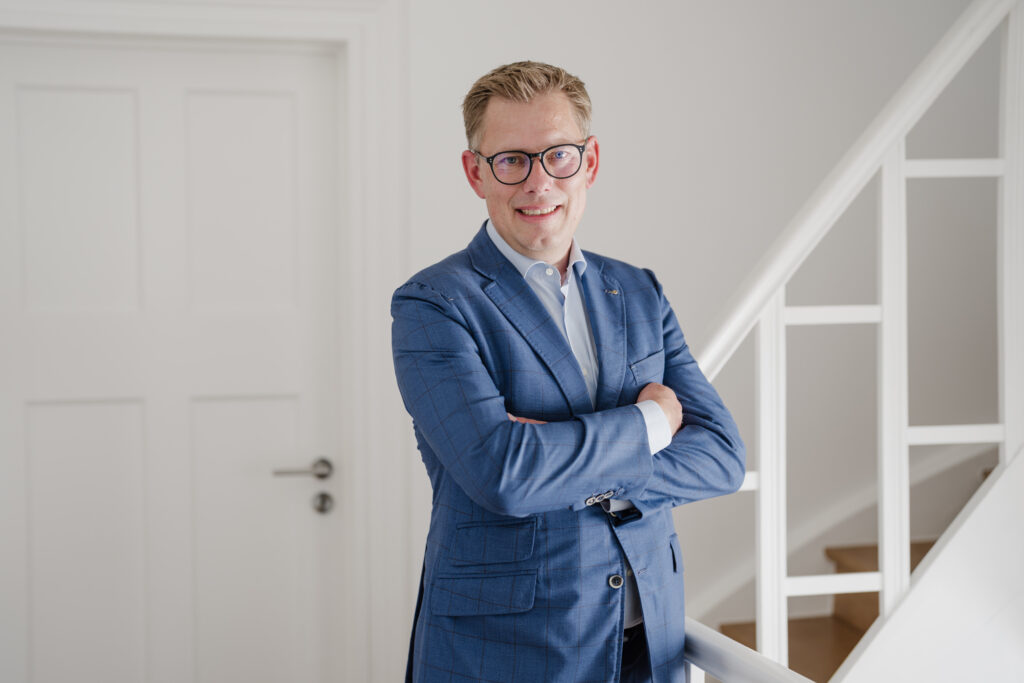
Joachim Kuske, independent director and vice-president of the Luxembourg Institute of Governance (ILA)
In a November 2019 communication, the CSSF made clear that all Luxembourg funds and fund managers subject to AML/CFT supervision must make this double appointment. Each fund must appoint a Responsable du Respect des Obligations, or RR, often the entire board collectively or a board member who bears ultimate responsibility for compliance with AML/CFT professional obligations. It must also appoint a Responsable du Contrôle du respect des obligations, or RC, who is responsible for operational control and day-to-day oversight.
“Luxembourg was a frontrunner in implementing a strict AML policy, and significant training efforts have been made by various professional associations to bring responsible persons to a good level of knowledge,” says Joachim Kuske, independent director and vice-president of the Luxembourg Institute of Governance (ILA).
The national AML legislation also requires professionals subject to AML/CFT obligations to provide annual training for all staff. That obligation applies to fund directors as well. The message is plain: board responsibility is not ceremonial. It is personal, documented and supervised.
A fund centre built on control
The AML regime reflects a broader feature of Luxembourg’s fund market. The country’s regulator has long taken a clear line on fund governance.
When a fund is created, proposed directors must prove their integrity and competence in relation to the fund’s objective. They must satisfy the regulator that they have enough time for the mandate and disclose the other positions they already hold. Management companies, for their part, must meet CSSF substance requirements and employ a defined pool of specialists.
Serge Weyland, chief executive of the Association of the Luxembourg Fund Industry, says the heaviest control burden falls on management companies.
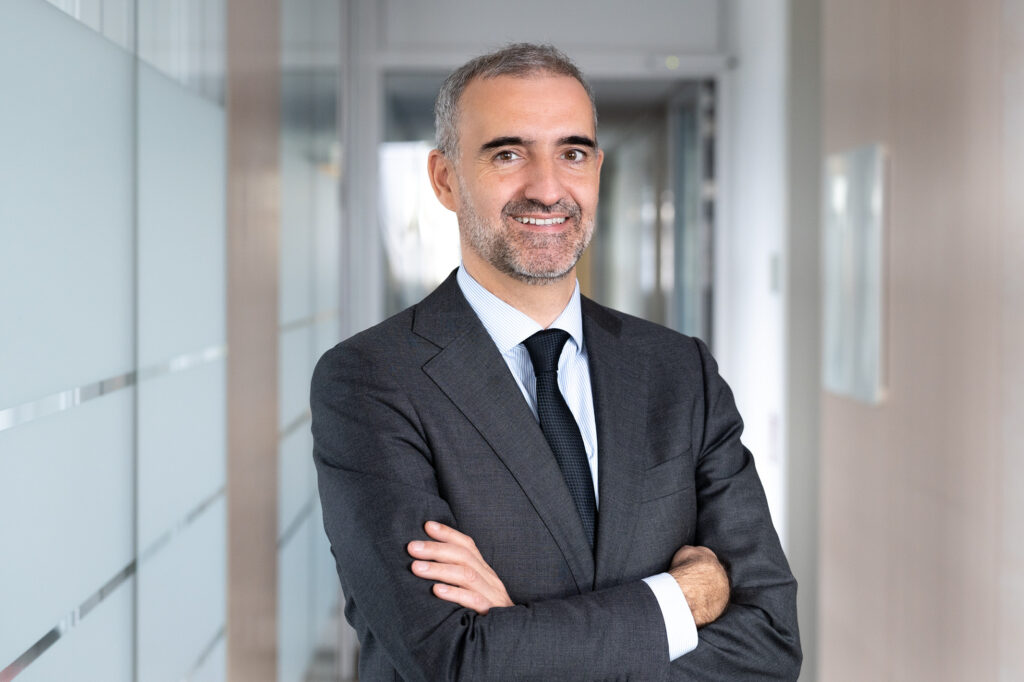
Serge Weyland, chief executive of the Association of the Luxembourg Fund Industry
“When a fund decides to launch a new product, it is the management company that will analyse its relevance, whether it can be launched at a reasonable cost or whether it will be able to collect sufficient assets. Then, when activities are delegated to a central administration, a depositary bank or a portfolio manager, the regulator, through its Circular 18/698, requires extremely detailed due diligence reports and their validation by a Management Committee within the management company.”
Due diligence also applies between entities in the same group, including on remuneration terms, which must be in line with market rates. In the case of the depositary bank, the process runs both ways: the depositary also performs due diligence on the management company. Once the fund is marketed, a conducting officer supervises the delegated activities and provides the regulator with regular reports on those controls.
The governance expectations are also visible at board level. Sophie Dupin, partner at Luxembourg law firm Elvinger Hoss Prussen, says the regulator is placing specific attention on board composition and expertise. The aim is to bring together a broad range of skills, but also to secure diversity and limit potential conflicts of interest that could create reputational risk.

The regulator welcomes the presence of one or more independent directors in governance structures. It is not an obligation, but is recommended.

“To avoid this pitfall, the regulator welcomes the presence of one or more independent directors in governance structures. It is not an obligation, but is recommended. The AIFM 2 Directive, in force since 16 April 2026, is aligned with CSSF’s practice as it recommends presence of independent directors when alternative funds are marketed to retail investors.”
The underlying logic is that Luxembourg’s fund model cannot depend on reputation alone. Its scale requires visible safeguards.
With delegation comes responsibility
Luxembourg’s fund industry is notably international. More than 3,000 funds are domiciled in the Grand Duchy, with more than €8.5tn in assets under management, and they are distributed in 80 countries. That reach creates a structural need for delegation. Portfolio managers must be present in the main target markets. Administrators, depositaries and other service providers form part of the operating model.
This is also the source of the regulator’s concern.
“Luxembourg has sometimes been criticised for its somewhat excessive controls, but this is a consequence of the very significant weight of the fund industry in our financial centre and of the very broad cross-border marketing of Luxembourg products,” says Weyland.
The controls, he adds, have a single purpose: “Luxembourg regulation is very challenging, but the objective is always to act in the investor’s interest.”
That argument now sits at the centre of Luxembourg’s governance debate. A fund centre that relies heavily on delegation must prove that delegation does not mean loss of control. The board may not run the daily operations of the transfer agent, the portfolio manager or the administrator. However it remains responsible for the oversight of these delegates.
The question is becoming more difficult as the risk agenda expands. In setting its supervisory priorities for 2026, the CSSF pointed to asset valuation and net asset value calculation, cyber security, artificial intelligence, costs and fees, ESG issues, tax matters and AML/CFT systems. Boards are being asked to oversee more technical risks, more data-heavy processes and more cross-border service chains.
Boards are being asked to oversee more technical risks, more data-heavy processes and more cross-border service chains.
Tracey McDermott, an independent director for more than a decade, says that regulatory pressure drives the governance and evolutions of boards.
“It is important that the board has a very diverse set of skills. Its composition must reflect a broad range of expertise depending on its strategy. Luxembourg offers ample knowledge, specialist expertise, and the competencies required to support robust governance and quality assurance.”
The industry’s had responded by further professionalising the role of directors. ALFI regularly updates a code of conduct designed to give directors the main principles and best practices for investment-fund governance. The Luxembourg Institute of Governance, an independent body with more than 3,000 members, promotes the application and standardisation of governance practices. Its training and certification programmes include courses specifically designed for current and future fund board members.
Luxembourg regulation is very challenging, but the objective is always to act in the investor’s interest.
The end of approximation
The financial crisis of 2008 changed the way board members in financial companies understood their exposure. It made the legal weight of their responsibilities harder to ignore and forced boards to focus on third-party oversight.
“The practice of delegation is inherent to the activity of investment funds and is used in all financial centres, but the degree to which Luxembourg relies on it is indeed higher,” says Keith Burman, an independent director and alternative-funds specialist.
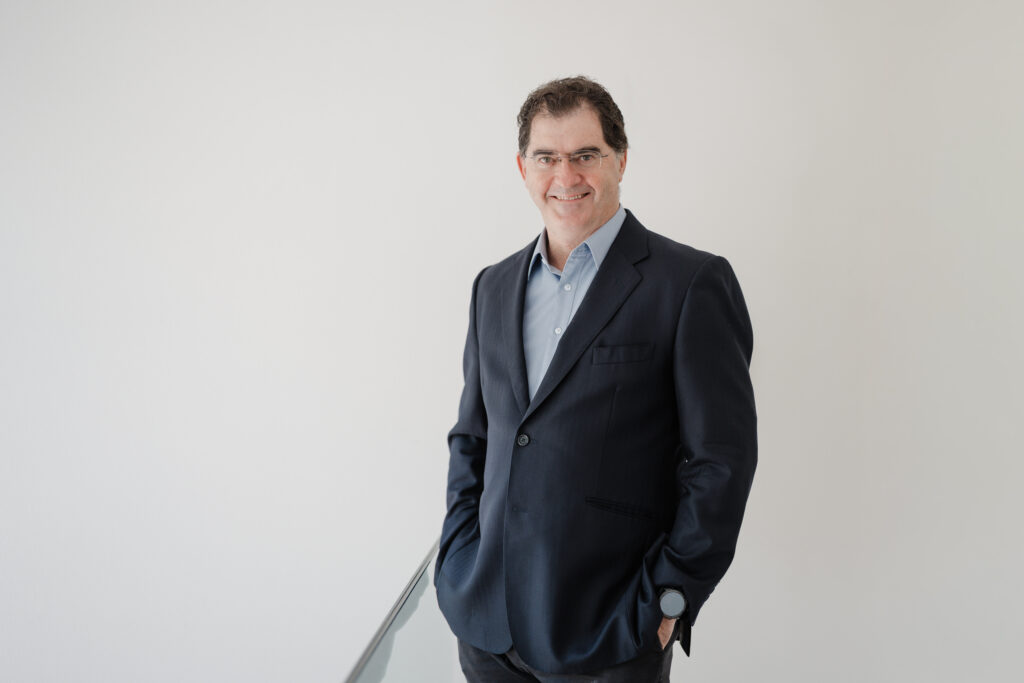
Keith Burman, an independent director and alternative-funds specialist
Delegation, he says, gives funds access to a wider range of skills and specialist services. But it has clear limits.
“In Luxembourg, both company law and the regulator make it very clear that the board may delegate, but in the end it remains ultimately responsible for the activity.”
For that responsibility to be meaningful, boards need regular reporting from delegated entities. These reports, usually prepared quarterly, cover performance, risk, valuation, conflicts of interest, AML risk and operational incidents.
The board’s role is not to control the activity of third parties but to ensure that they perform their task correctly.
“The board’s role is not to control the activity of third parties but to ensure that they perform their task correctly,” Burman continues. “We must remove all uncertainty in this regard. For example, we are not going to review the transfer agent’s books, that is not our role; what we require is proof that it is carrying out the necessary checks properly and that it can explain to us how it does so.”
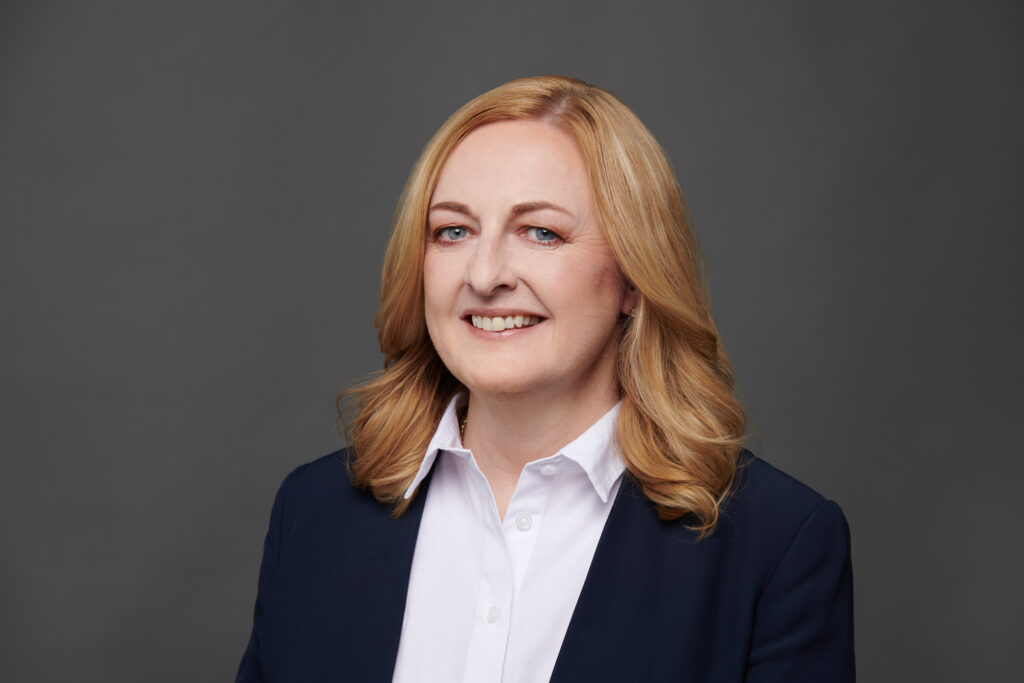
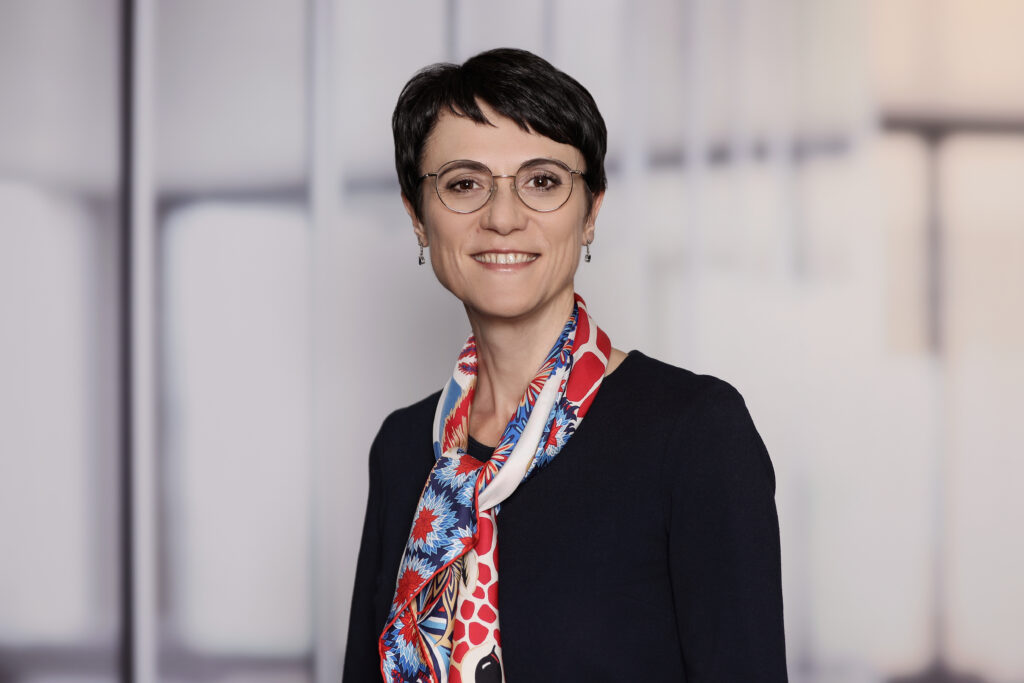
Tracey McDermott, independent director
This distinction matters. The board is not expected to duplicate the work of every service provider. It is expected to test, challenge and document the control framework around those providers.
That approach is now gaining force beyond Luxembourg. In June 2025, the European Securities and Markets Authority published 14 principles on third-party risk supervision, aimed at guiding national supervisory authorities. ESMA’s intervention reflected the wider European increase in outsourcing, delegation and other third-party service arrangements.
After that communication, the CSSF announced at the start of 2026 that it intended to intensify its control of third-party risk.
“The Luxembourg regulator is very demanding regarding the supervision of activities delegated to third parties,” says McDermott. “It checks the oversight undertaken out by boards through review of board meeting minutes or during on-site inspections, usually at an AIFM or a management company.”
The Luxembourg regulator is very demanding regarding the supervision of activities delegated to third parties.
For McDermott, who came to Luxembourg from Ireland, the CSSF has built a reputation for moving early.
“The CSSF is widely recognised as being at the forefront of regulatory development, often taking initiatives ahead of other jurisdictions.”
The regulator applies continuous pressure on boards to ensure that investor protection remains the priority. One of its most effective tools is the annual self-assessment questionnaire sent to boards.
The document is substantial, running to several dozen questions. It was introduced to test internal governance, risk management and regulatory compliance. For investment funds, the questions focus on risks linked to the CSSF’s stated supervisory priorities, including fees, NAV calculation and investment restrictions.
“For the CSSF, the self-assessment questionnaire is a kind of guide, whose questions evolve each year, to draw the attention of regulated entities to what is expected of them,” says Dupin, who regards it as an essential tool in the professionalisation of governance.
The independent director as regulator’s relay
As expectations rise, Luxembourg-based independent directors occupy a more important position. They are expected to know the local regulatory environment, understand the CSSF’s priorities and make sure that boards with members based abroad do not lose sight of domestic requirements.
“At this level, Luxembourg-based independent directors play an important role,” says Kuske. “Compared with other board members often based abroad, they should monitor national regulation and become a real relay for the local regulator’s requirements vis-à-vis the board.”
Independent directors play an important role. (…) They should monitor national regulation and become a real relay for the local regulator’s requirements vis-à-vis the board.
Luxembourg now has several hundred independent directors. The country increasingly treats them as part of its governance credibility. Their presence is meant to signal that the board can exercise judgement separately from the promoter, the manager or the group behind the fund.
McDermott stresses that independence must extend beyond a title and be demonstrated in practice.
“An independent director is expected to bring objective judgment, constructive challenge, and investor-focused decision-making, especially where conflicts may arise. They should not simply validate management proposals; they must ask difficult questions and ensure decisions are robust and defensible.”
That standard goes to the centre of the argument. Luxembourg’s fund industry has grown by connecting global managers, cross-border investors and specialist service providers through a highly delegated model. The regulator’s task is to make sure that the model does not become too remote from those ultimately responsible for it.
The board is where that responsibility lands.
Luxembourg is one of the world’s main centres for investment funds. That position gives it scale, but also exposure. A governance failure in a Luxembourg structure can travel quickly across borders and investor bases. The CSSF’s answer has been to raise the cost of passivity. Boards must be trained, available, properly composed and able to challenge the service chain beneath them.
Boards and the role of directors has evolved. Directors do not simply receive papers, attend meetings and approve resolutions. They are expected to understand the fund or company, test the controls, question delegated parties and leave a record that shows how they reached their decisions. And Luxembourg has been a first mover in this regard.
The new European AML framework may make this more uniform across the EU. In Luxembourg, it reinforces a standard that has already become part of the market’s operating discipline: delegation is permitted, but accountability stays with the board.